Scott 3200A Tailwheel – Fully Rebuilt: Professional Replacement for Compatible Aircraft
Scott 3200A Tailwheel – Fully Rebuilt: Professional Replacement for Compatible Aircraft
Blog Article
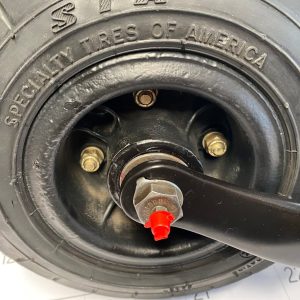
The Scott 3200A Tailwheel – Fully Rebuilt may suit classic airplanes, utility aircraft, bush planes, experimental designs, and other compatible general aviation platforms. Buyers should request an itemized rebuild summary instead of assuming that every component within the assembly is new.
A correctly rebuilt Scott 3200A Tailwheel Assembly can support predictable steering when installed and adjusted properly on a compatible aircraft. The actual condition of a Scott Tailwheel Assembly should be determined through appropriate inspection rather than cosmetic appearance alone.
An Aircraft Tailwheel Assembly experiences vertical loads, side forces, vibration, steering input, and occasional impact during routine service. The General Aviation Tailwheel should receive maintenance based on actual use, operating surface, contamination exposure, and observed condition.
Whether buyers need an Aircraft Tailwheel, Taildragger Tailwheel, or complete Aviation Tailwheel System, model identification and rebuild details should be verified.
Overview of the Fully Rebuilt Scott 3200A
The Scott 3200A combines mechanical steering and swivel functions in a design familiar to many tailwheel pilots, restorers, and aviation maintenance professionals. Replacing the tailwheel alone may not correct a wider installation problem.
Scott 3200A Tailwheel Applications
Suitable internal clearances and secure steering components contribute to consistent performance. The quality of the finished assembly depends on component condition, correct reassembly, suitable parts, and final functional evaluation.
Evaluating a Rebuilt Scott Tailwheel Assembly
A thorough rebuild generally begins with complete disassembly, careful cleaning, detailed inspection, and measurement of wear-sensitive areas. Cosmetic refinishing should remain secondary to mechanical condition and structural integrity.
How an Aircraft Tailwheel Assembly Works
An Aircraft Tailwheel Assembly allows the rear of the airplane to roll and respond to steering input during ground movement. Incorrect linkage tension can cause delayed steering, harsh engagement, restricted movement, or unnecessary component loading.
General Aviation Tailwheel Reliability
Each operating environment places different demands on the tire, wheel, fork, bearings, steering mechanism, hardware, and lubrication. A Scott 3200A may suit several aircraft types, but broad fitment should never be assumed from category alone.
Aircraft Tailwheel Ground Handling
The assembly remains part of a complete ground-handling system that also includes rudder control, brakes, main gear, and pilot technique. A serviceable tire-and-wheel arrangement supports the work completed within the steering mechanism.
Taildragger Tailwheel Performance
A responsive and correctly adjusted tailwheel can contribute to predictable taxiing and controlled turning. Taildragger operation may expose the assembly to side loads during crosswind taxiing, landing corrections, tight turns, and directional-control events.
Aviation Tailwheel System Inspection
Every component influences how steering input reaches the wheel and how operational loads return to the aircraft. Springs should remain free from distortion, corrosion, cracking, broken coils, or unsuitable substitution.
Maintaining a Tailwheel Steering Assembly
A Tailwheel Steering Assembly converts rudder-related input into directional movement during taxiing and low-speed ground operations. The full steering and swivel range should be checked after installation.
Maintaining Aircraft Ground Handling Components
Poor steering response can increase tire wear, brake use, pilot workload, and difficulty in confined spaces. Responsible ground movement protects the Aircraft Ground Handling Tailwheel and surrounding more info structure.
Benefits of the Scott 3200 Series Tailwheel
Operators may value the availability of maintenance experience and replacement components for suitable configurations. Accurate information reduces ordering mistakes and improves buyer confidence.
Choosing a Heavy-Duty Aircraft Tailwheel
A larger or heavier-looking assembly is not automatically appropriate for every aircraft. Preventive maintenance supports reliable Heavy-Duty Aircraft Tailwheel operation.
Tailwheel Aircraft Parts
Correct Tailwheel Aircraft Parts protect the integrity and performance of the rebuilt assembly. The rebuild should examine all interacting parts rather than focusing on external appearance.
Aircraft Steering Tailwheel Performance
Consistent steering can reduce unnecessary brake use and improve maneuverability in confined locations. A complete review supports reliable Aircraft Steering Tailwheel performance.
Buying a Replacement Aircraft Tailwheel
A Replacement Aircraft Tailwheel should be selected through exact aircraft application, mounting details, tail-spring configuration, steering arrangement, and suitable technical information. A professional pre-installation review protects both the aircraft and the buyer’s investment.
Choosing General Aviation Landing Gear Parts
Main-wheel alignment, brake condition, tire pressure, and airframe rigging can influence how a taildragger behaves on the ground. Transparent descriptions support trust among aircraft owners, sellers, and maintenance professionals.
Evaluating a Scott 3200A Tailwheel
The rebuild date and identity of the rebuilder should be provided where available.
- Request photographs of the front, rear, sides, wheel, fork, steering arms, mounting area, identification marks, and loose components.
- Arrange professional evaluation when rebuild quality, structural condition, or internal serviceability remains uncertain.
- Report missing parts, shipping damage, rough operation, identification discrepancies, or incomplete documentation according to the agreed terms.
Commissioning a Rebuilt Scott 3200A
Professional installation helps protect both the rebuilt Scott 3200A and the aircraft structure. The steering linkage should respond properly without restricting rudder movement.
A post-installation inspection can confirm hardware security and reveal early movement marks.
Long-Term Scott 3200A Care
Long-term maintenance includes lubrication, tire inspection, bearing review, steering-link checks, cleaning, fastener inspection, spring evaluation, and monitoring of ground-handling performance. Pilots should inspect the tailwheel before operation for tire damage, loose hardware, bent parts, steering-link condition, contamination, corrosion, and visible misalignment.
Hardware and moving areas should remain visible enough for inspection.
Buying a Fully Rebuilt Scott Tailwheel
For the correct installation, the rebuilt assembly can support directional steering, controlled swiveling, predictable taxiing, and long-term serviceability. The strongest purchase decision begins with confirming model identity, rebuild scope, replaced components, retained parts, structural condition, tire status, steering arrangement, included hardware, and aircraft compatibility.
Whether the aircraft operates from pavement, grass, gravel, dirt, private strips, utility fields, or backcountry airfields, the tailwheel should match the actual aircraft and operating environment. With careful selection and attention to the complete tailwheel system, owners can reduce shimmy, binding, irregular steering, looseness, and premature wear.
Report this page